Blog Post #3
As a computer science student, we’re taught that there’s no such thing as an “average user.” You have to design products that work for everyone, anticipating different needs and backgrounds. After this module, I see that the exact same logic applies to education. The idea of an “average learner” is a myth, and if we want to build a course that works, it needs to be flexible and inclusive from the ground up.
Universal Design for Learning (UDL)
The most important concept for me was Universal Design for Learning (UDL). The main idea is that instead of waiting for a student to hit a wall and then offering a special “fix,” you design the course from the start with the assumption that everyone learns differently. It’s about proactively removing barriers before they become problems. UDL helps us do this by providing multiple ways for students to see information, engage with it, and show what they’ve learned.
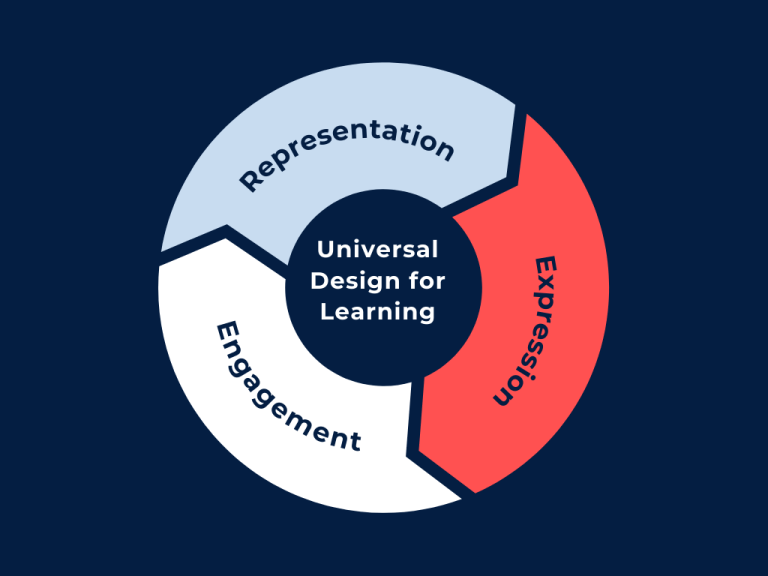
Fig 1.1: The three core principles: Representation, Engagement, and Expression. Source: NSW Government website
A professor in one of my coding classes did this perfectly. To explain a tough concept, he gave us the textbook chapter, a video with diagrams, and an interactive website to play with the code. We all learned the same thing, but we could choose the path that made the most sense to us. The flexibility was built-in for everyone from day one.
Inclusive Learning Design
Inclusive design takes this a step further. It’s not just about giving people access; it’s about creating an environment where every student feels seen, respected, and like they actually belong. A key strategy here is using course materials that reflect a wide range of perspectives, so students see themselves in what they’re learning. Another powerful tool is scaffolding, which means providing temporary supports to help students build confidence.
I think of scaffolding like getting a starter template when you’re coding. You’re not starting from a completely blank screen; you have comments and a basic structure to guide you. In a class, this could be a checklist for an assignment or a vocabulary list for a dense reading. The goal isn’t to make the work easier, but to remove the initial hurdles so students can focus on the real learning.
Synchronous and Asynchronous Learning
Every online course has to balance two types of activities: synchronous (live, real-time) and asynchronous (on your own time). Live sessions on Zoom are great for building community and asking questions in the moment. They have a shared energy. On the other hand, asynchronous work, like watching recorded lectures or posting on a discussion board, offers incredible flexibility. This is crucial for students with jobs, families, or who live in different time zones.
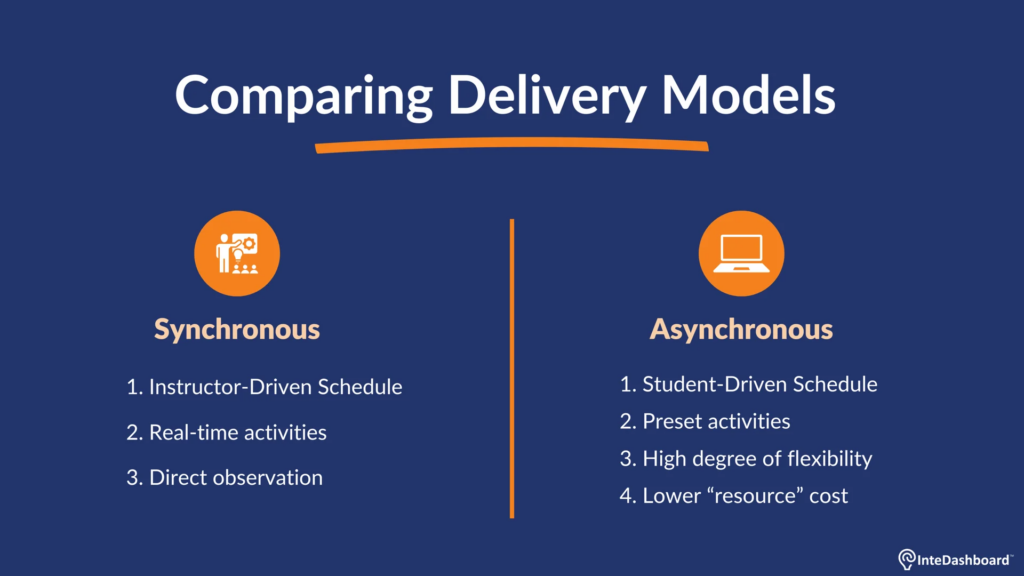
Fig 2.1: Comparing Synchronous and Asynchronous Delivery Models. Source: InteDashboard blog
Neither one is better than the other—the key is a thoughtful balance. An inclusive approach might use asynchronous methods to deliver core content, so everyone can access it on their own schedule. Then, optional live sessions can be used for things like Q&A or group discussions, creating a structure that offers both flexibility and connection.
Principles of Effective Online Education
An effective online course feels clear, organized, and purposeful. You should be able to easily find what you need, understand what’s expected of you, and see how the assignments connect to the learning goals. Frameworks like UDL are the foundation for this. By providing information in multiple formats and offering choice in assignments, UDL naturally makes a course clearer and more accessible.
When a course is well-designed, you spend your mental energy on learning the content, not fighting with the website. It’s the difference between an app that’s intuitive and one where you can never find the right button.
Interaction and Presence
Without intentional design, an online course can feel very lonely. That’s why interaction is so important. There are three types that make a course feel alive:
- Student-Content: Making the material itself engaging, like a video with embedded questions instead of just a flat PDF.
- Student-Student: Creating ways for us to learn from each other, like through peer reviews on assignments or collaborative study groups on a discussion board.
- Student-Instructor: This is feeling that the instructor is present and invested. When a professor sends out weekly updates, gives helpful feedback, and participates in discussions, it shows they’re there with you. This “instructor presence” makes a huge difference in staying motivated.
References
McMaster University. (n.d.). Digital Learning Vision & Guiding Principles. Provost’s Office. Retrieved from https://provost.mcmaster.ca/teaching-learning/digital-learning-strategic-framework/digital-learning-vision-guiding-principles/
The Understood Team. (n.d.). Universal Design for Learning (UDL): What it is and how it works. Understood.org. Retrieved from https://www.understood.org/en/articles/universal-design-for-learning-what-it-is-and-how-it-works.